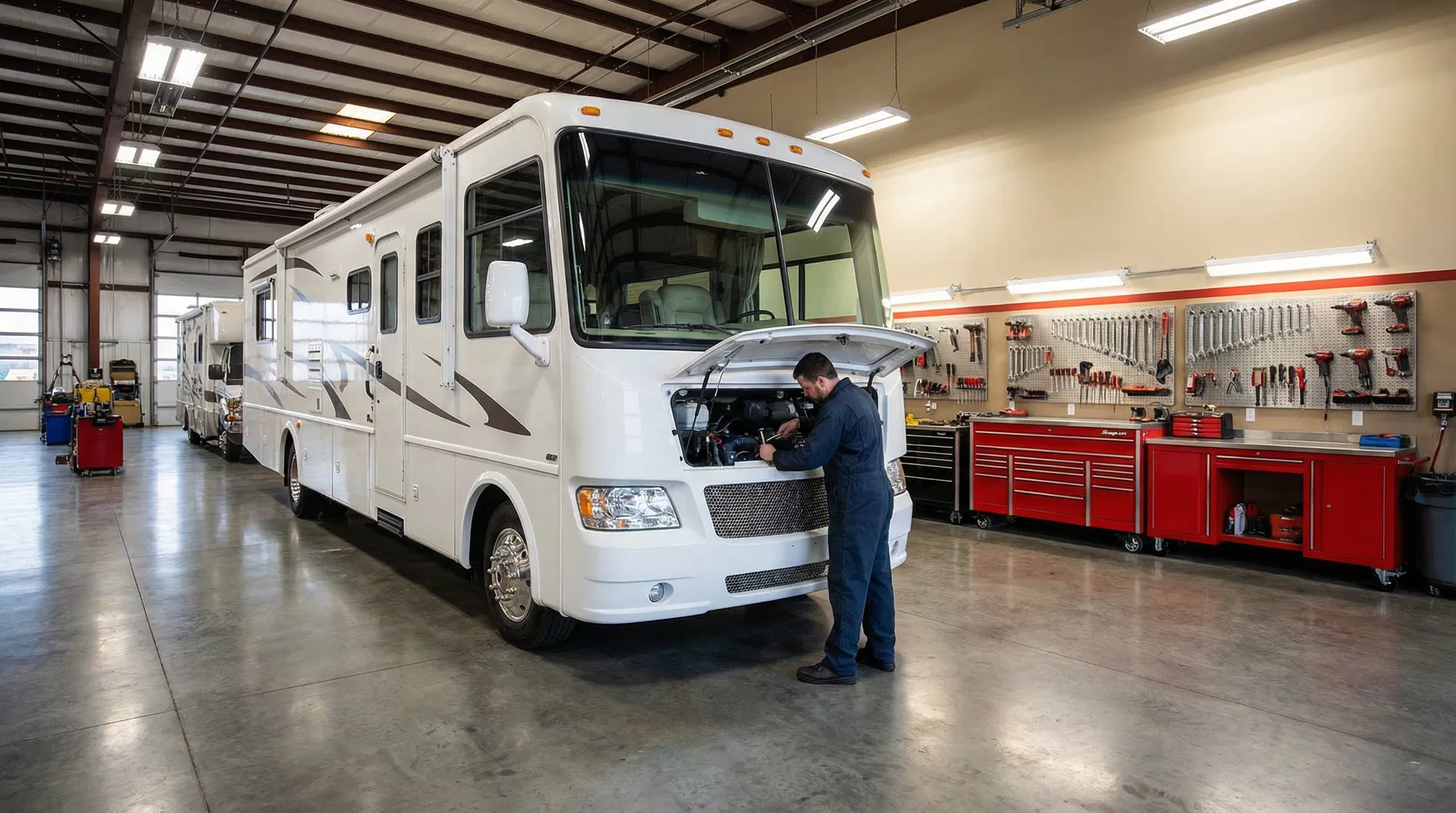
RV Repair & Maintenance in Concord, NC
The "RV" in Cars, Trucks & RVs represents three decades of specialized expertise. Engine, transmission, brakes, generator, AC, electrical — complete mechanical service for all motorhomes and towable RVs. Gas and diesel. Heavy-duty bays. Right off I-85.
Every Type of Recreational Vehicle
From full-size Class A diesel pushers weighing 40,000+ pounds to compact Class B camper vans and towable fifth wheels — CTR has the facilities, equipment, and expertise for every RV configuration.
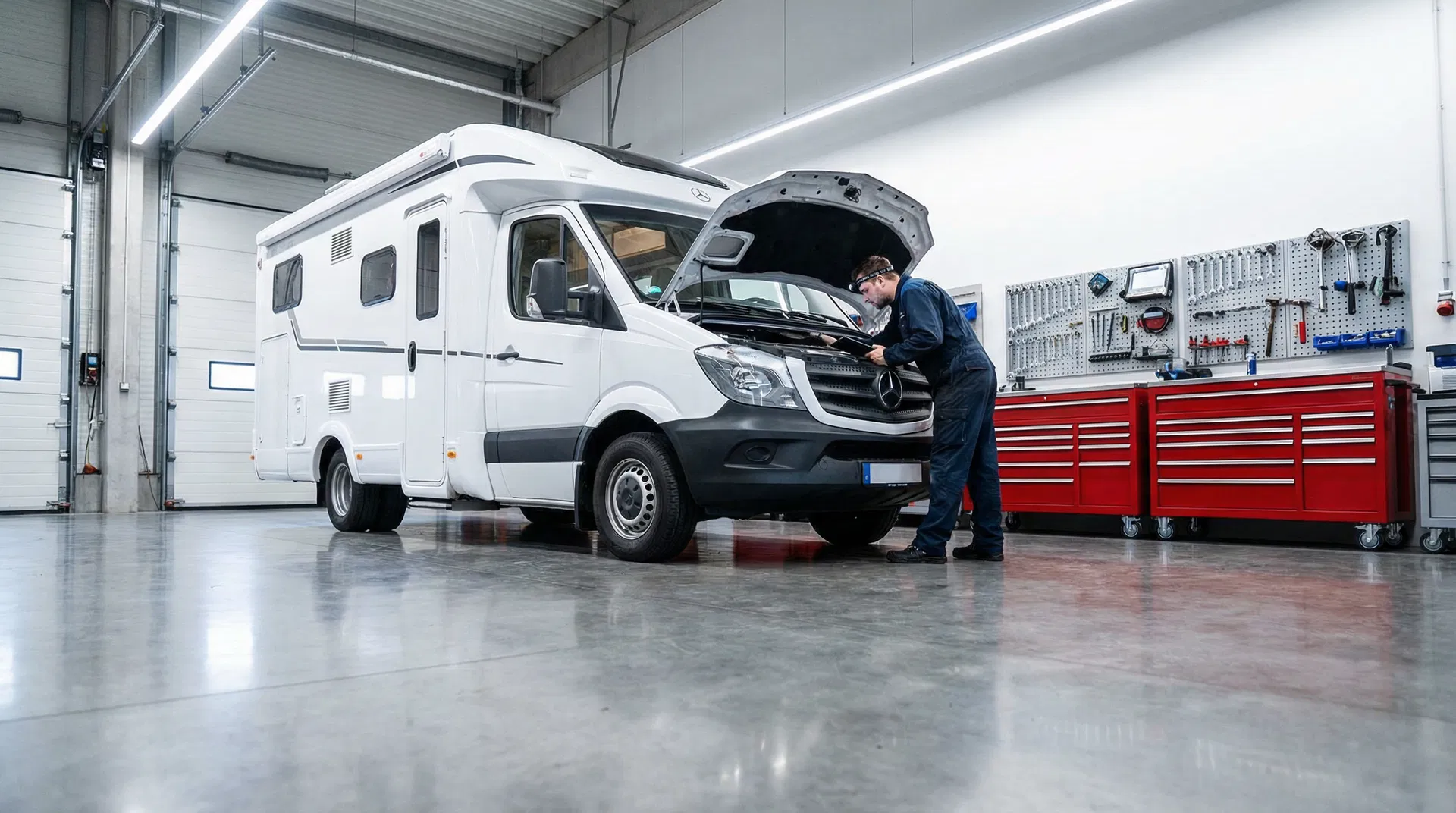
Class A Motorhome
Full-size motorhomes from 25' to 45'+. Gas or diesel pusher configurations. Air brakes, air suspension, onboard generators, multiple AC systems.
Class B Camper Van
Full-size van conversions with compact living quarters. Fuel-efficient and maneuverable. Unique conversion modifications affecting chassis systems.
Class C Motorhome
Built on commercial chassis cutaways with cab-over sleeping area. Balance of living space and drivability. Commercial-grade drivetrains.
Fifth Wheel & Travel Trailer
Towable RVs with electric brake systems, independent suspension, and running gear. Fifth wheels connect via hitch in truck bed; travel trailers via standard ball hitch.
Our Focus: Chassis & Mechanical Systems
CTR specializes in RV chassis and mechanical systems — engines, transmissions, brake systems, suspension, steering, electrical, generators, and HVAC. For RV-specific living system issues such as plumbing, interior appliances, and coach body work, we maintain relationships with trusted RV interior specialists.
RV Engine, Transmission & Drivetrain
RV powertrains operate under demanding conditions — sustained highway speeds while carrying heavy loads, extended idle periods at campgrounds, seasonal use with long storage, and integration with auxiliary systems.
Diesel Engine Service (Class A Pusher)
Complete diesel engine diagnostics using OEM-level tools including Cummins INSITE. Turbocharger service and replacement, aftertreatment system repair (DPF, DOC, SCR, DEF), fuel system maintenance (high-pressure fuel pumps, injectors, filters), EGR system cleaning and repair, cooling system service, engine oil analysis, and complete engine rebuilding when necessary.
Gasoline Engine Service (Gas-Powered RVs)
Advanced engine diagnostics using manufacturer-specific scan tools. Ignition system service (spark plugs, coil packs, ignition wires), fuel system service (fuel pumps, injectors, fuel rail cleaning), cooling system maintenance (radiator, water pump, thermostat), and complete engine rebuilding.
RV Transmission Service
Transmission fluid and filter service at RV-appropriate intervals, torque converter service and replacement, valve body service and remanufacturing, complete transmission rebuilding using heavy-duty components, transmission cooler service and upgrade, and electronic transmission control module diagnosis.
Diesel RV Idle Time Warning
Extended idle time at campgrounds loads the DPF and may not allow proper regeneration cycles. Regular service intervals are critical even for low-mileage diesel RVs.
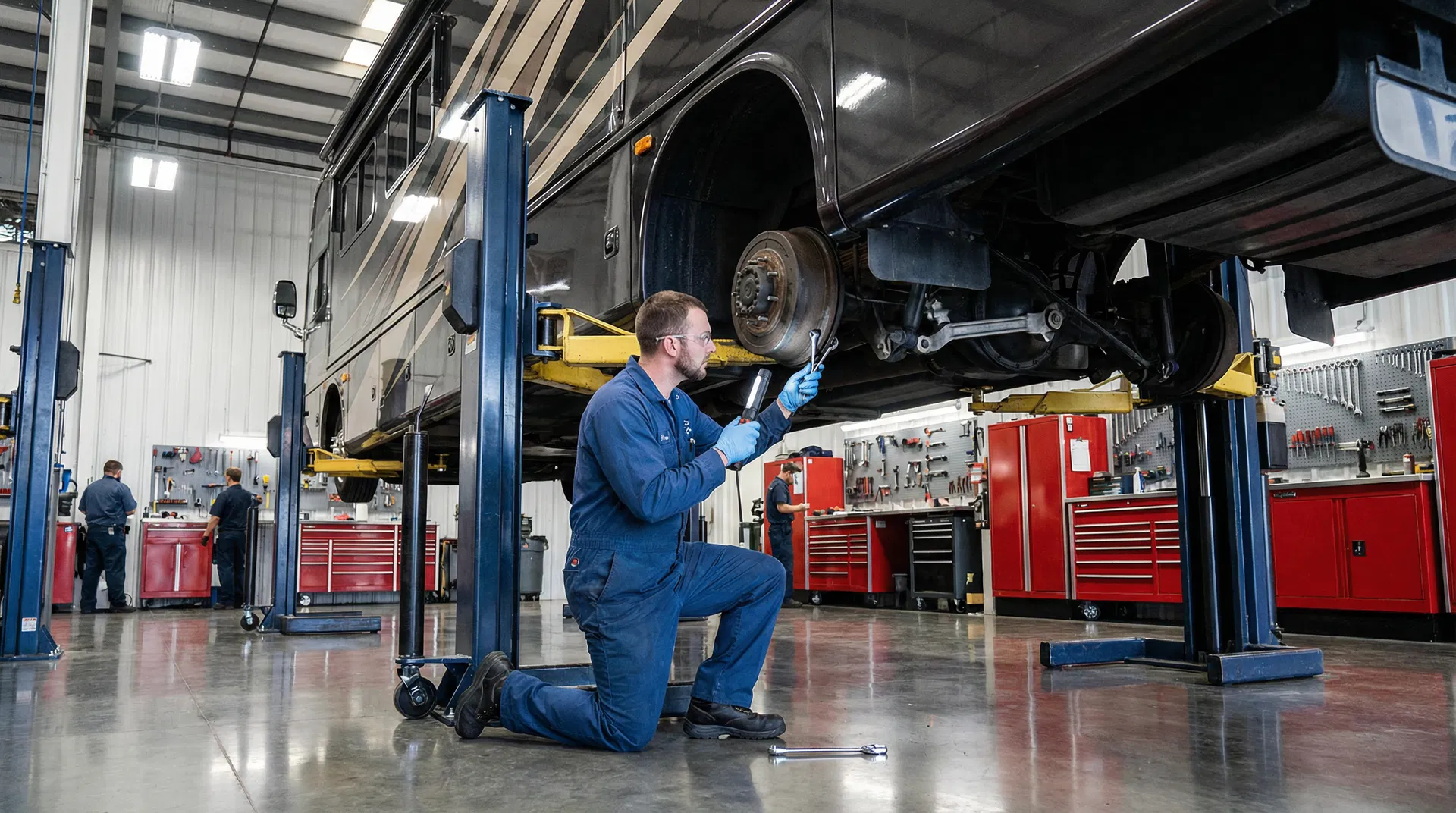
RV Brake Safety Is Critical
The weight and size of recreational vehicles make properly functioning brake systems critical for safe operation. Brake failure on heavy RVs can cause catastrophic accidents.
RV Brake Service Across All Configurations
RV brake systems vary dramatically depending on vehicle weight, configuration, and intended use — from full air brake systems on diesel pushers to electric brakes on towable trailers.
Air Brakes
Class A Diesel PusherKey Components
Air compressor, air dryer, primary/secondary tanks, foot valve, relay valves, S-cam foundation brakes, spring brake chambers
Services Provided
Compressor diagnosis & repair, air dryer service, leak testing, foundation brake service, slack adjuster replacement, spring brake chamber service, DOT-level inspection
Identical to commercial truck systems — requires specialized equipment and expertise
Hydraulic Brakes
Class B, C, and Gas Class AKey Components
Vacuum/hydraulic brake boost, master cylinder, brake lines/hoses, disc brakes, ABS integration
Services Provided
Master cylinder & booster service, brake fluid flush, disc brake service (rotors, pads), brake line replacement, ABS diagnosis and repair
Based on commercial truck platforms adapted for RV weight and usage
Electric Trailer Brakes
Fifth Wheels & Travel TrailersKey Components
Electric brake magnets, brake shoes/drums, breakaway safety system, 7-way electrical connector
Services Provided
Magnet testing & replacement, brake shoe/drum service, breakaway system testing, brake controller diagnosis, electrical connection service
Must be properly integrated with towing vehicle's brake controller
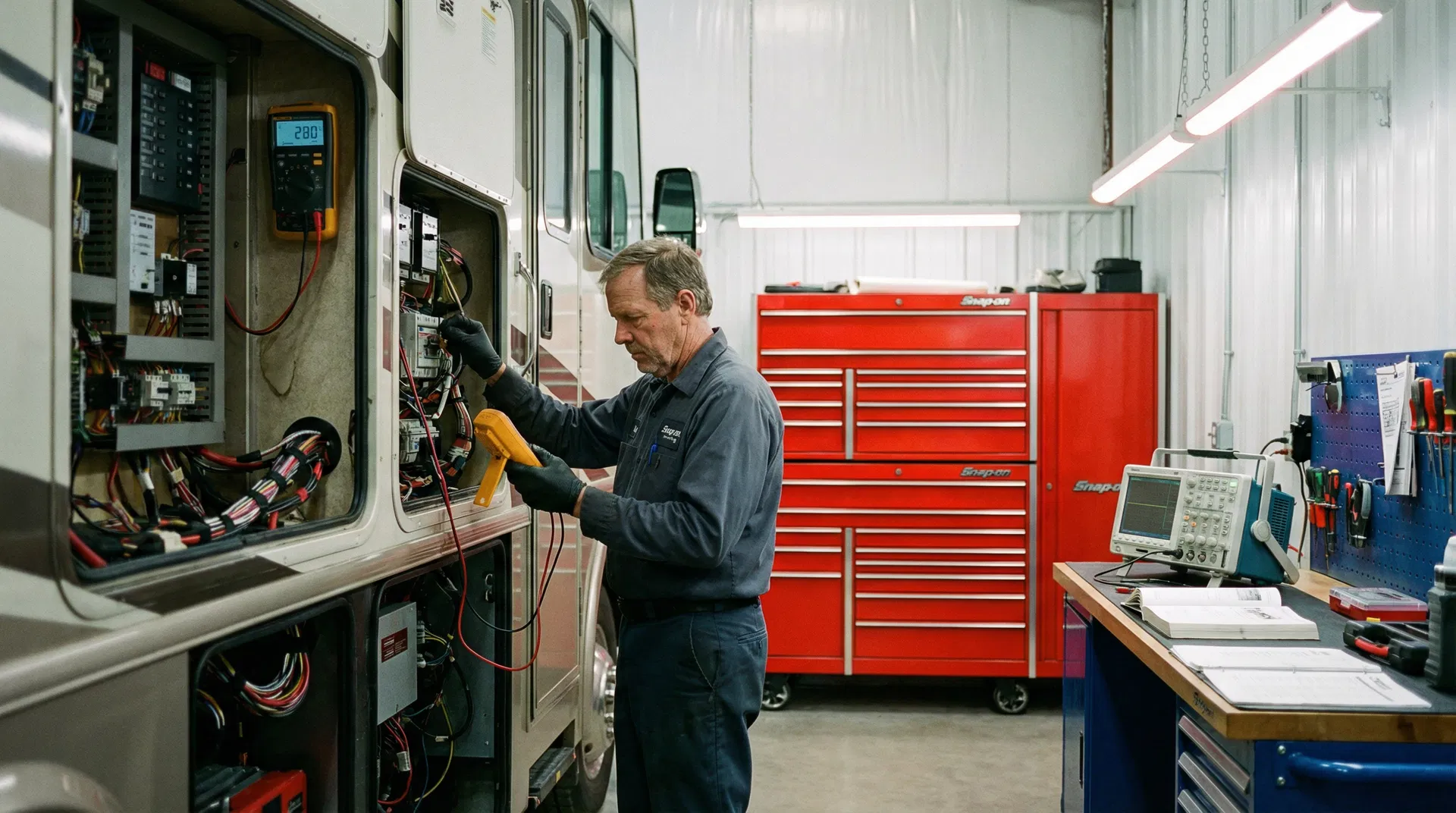
RV Generator, Electrical & Climate Control
RV electrical and climate control systems represent a unique integration of automotive, residential, and marine electrical technologies, requiring specialized diagnostic approaches.
Generator Service
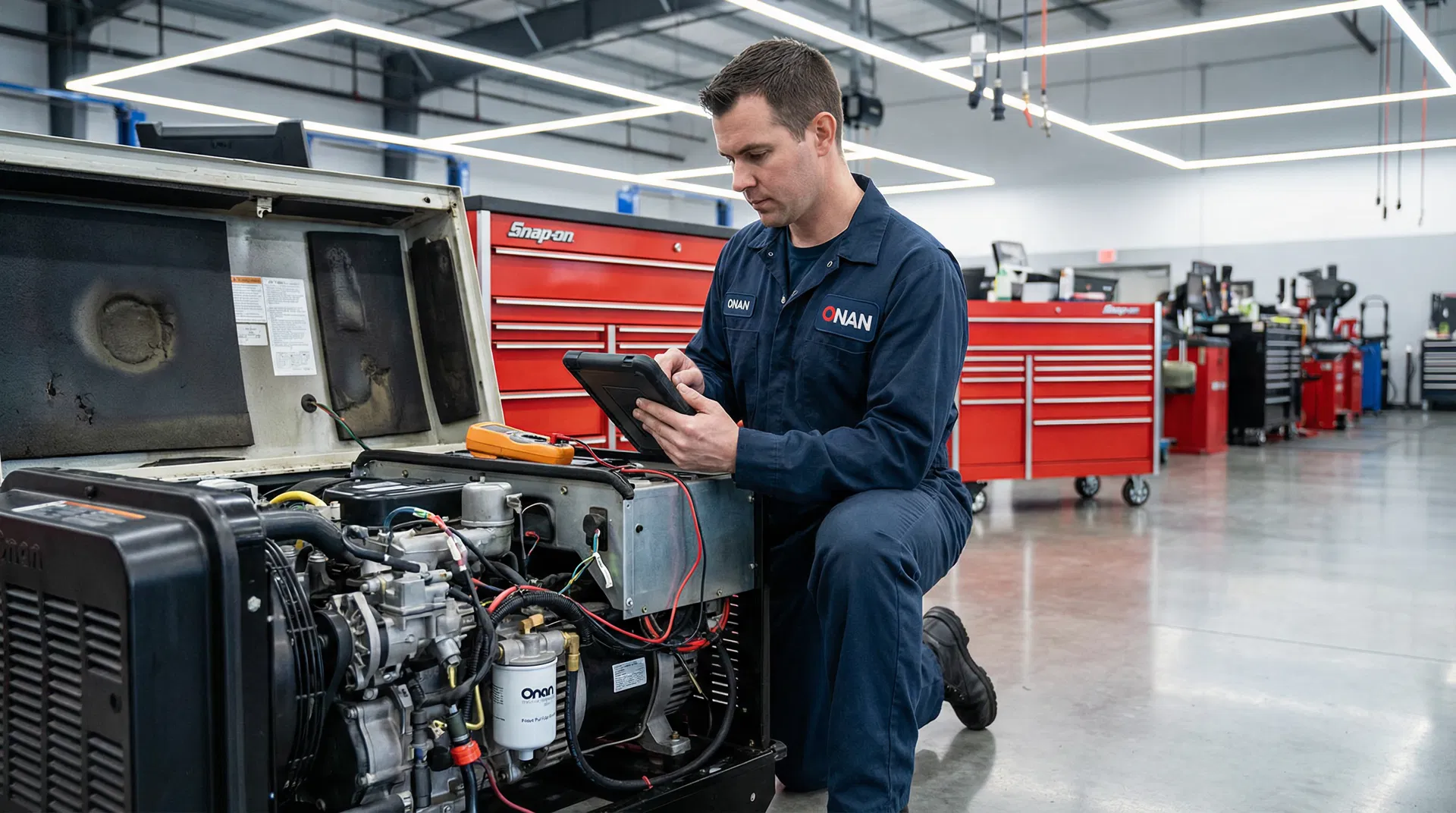
Most Class A and C motorhomes include Onan (Cummins Onan) generators from 4KW to 12.5KW. These are small engines with electrical generation components requiring regular maintenance.
Chassis Electrical
RV electrical systems combine chassis electrical (engine management, transmission, lighting) with house systems (12V DC batteries, 120V AC, inverter/converter, shore power).
Climate Control
RV climate systems include engine-driven chassis AC, roof-mounted residential AC units, and engine cooling systems that must handle sustained heavy loads.
Seasonal RV Preparation
Spring De-Winterization
Get Road ReadyFall Winterization
Prepare for StorageSigns Your RV Needs Professional Service
RV mechanical problems during travel create urgent situations. Recognizing these warning signs early prevents breakdowns and ensures safe operation.
Engine Warning Lights
Check engine light, low oil pressure, high temperature warnings. Diesel RVs may show DPF regeneration warnings or DEF system alerts. Any warning light requires immediate diagnosis to prevent major damage.
Unusual Engine Noises
Knocking, ticking, or grinding from the engine compartment. Diesel engines may develop turbocharger whine or exhaust system rattles. Gasoline engines may develop ignition-related ticking or fuel system noise.
Brake System Warnings
Air brake low-pressure warnings, ABS lights, soft brake pedal, grinding or squealing during braking. Air brake-equipped RVs may show air system leaks through audible hissing or slow pressure build-up.
Transmission Problems
Harsh shifting, slipping, delayed engagement, unusual noises during gear changes, transmission temperature warnings. RV transmissions under heavy load may overheat during mountain driving.
Generator Won't Start or Runs Rough
Often caused by stale fuel from storage, starting system failures, or safety interlock problems. Rough running typically indicates carburetor issues, fuel contamination, or cooling system problems.
Electrical System Issues
Battery drain, dim lighting, charging system warnings, intermittent electrical failures. RV electrical systems combine chassis and house systems that can interact and create complex diagnostic challenges.
Suspension/Handling Problems
Excessive body roll, uneven ride height, air suspension warnings, steering wander, or unusual tire wear patterns. Heavy RV weights make suspension problems more dangerous than in passenger vehicles.
Fluid Leaks Under the RV
Oil, coolant, transmission fluid, brake fluid, or power steering fluid leaks. RV systems hold more fluid than passenger vehicles, making leaks more consequential. Identify fluid type by color and location.
Overheating During Travel
Temperature gauge rising during highway driving or mountain grades. RV cooling systems must handle sustained heavy loads that stress radiators, water pumps, and thermostats beyond passenger car demands.
Exhaust Smoke or Smell
Blue smoke (oil burning), black smoke (rich fuel mixture), white smoke (coolant leak). Diesel RVs may produce excessive smoke during failed DPF regeneration attempts. Exhaust smell inside the cabin is a safety emergency.
Complete RV Mechanical Services
Why RV Owners Choose CTR
30+ Years RV Experience
Since 1995, CTR has specialized in recreational vehicle repair, building expertise across the evolution of RV technology from simpler mechanical systems to today's complex computerized, electronically controlled chassis and living systems.
Heavy-Duty + Automotive Expertise
RVs require both heavy-duty commercial vehicle knowledge (diesel engines, air brakes, air suspension) and automotive expertise (gasoline engines, hydraulic brakes, electrical). CTR's combination is uniquely suited.
Proper Facilities & Equipment
Heavy-duty service bays accommodate full-size Class A motorhomes. Specialized tools and diagnostic equipment including heavy-duty scan tools, air brake testing equipment, and generator service tools.
OEM-Level Diagnostics
Manufacturer-specific diagnostic equipment: Cummins INSITE for diesel engines, Ford IDS for Ford chassis, GM diagnostic systems for Chevrolet chassis, and Mercedes STAR for Sprinter-based RVs.
1-Year, Unlimited-Mile Warranty
All RV mechanical work backed by our industry-leading warranty. Provides confidence that repairs will provide reliable service for extended RV travel. Transferable if RV is sold.
I-85 Corridor Location
Directly off I-85 at Exit 58 — convenient access for local RV owners and ideal stopover for RVers experiencing mechanical problems during travel along the major I-85 corridor.
RV Repair Cost Reference
Costs vary by RV type, chassis platform, and specific conditions. These ranges provide general guidance — CTR provides a specific estimate after diagnosis.
| Service | Typical Cost |
|---|---|
| RV Oil Change Service | $75 – $200 |
| RV Generator Service | $200 – $500 |
| Seasonal Preparation (Spring/Fall) | $200 – $600 |
| RV Electrical Diagnosis | $150 – $500 |
| RV AC Service (Chassis) | $200 – $1,500 |
| RV DOT / Safety Inspection | $150 – $500 |
| RV Brake Service | $500 – $3,000+ |
| RV Transmission Service | $300 – $8,000+ |
| RV Suspension & Steering | $300 – $3,000+ |
| RV Engine Repair | $300 – $15,000+ |
* All estimates are approximate. Actual costs depend on RV type, chassis platform, component condition, and specific repair requirements.
RV DOT Inspection & Commercial Compliance
Commercial RVs — including rental fleet vehicles, tour buses, and RVs used for hire — must comply with FMCSA regulations including annual DOT inspections for vehicles over 10,001 pounds GVWR.
Commercial RV Compliance
Voluntary Safety Inspection
RV Chassis Platforms We Service
Ford
GM / Chevrolet
Freightliner
Spartan
Mercedes
Frequently Asked Questions
Expert Insights
Related Services
Serving RV Owners Throughout the Charlotte Metro
CTR's RV repair services serve recreational vehicle owners throughout the Charlotte metropolitan area, the greater North Carolina region, and travelers along the I-85 corridor.
Schedule Your RV Repair Service Today
Don't let RV mechanical problems interfere with your travel plans or compromise your safety on the road. Professional RV repair and maintenance — all RV types, gas and diesel — backed by our 1-year, unlimited-mile warranty.