Diesel Engine Repair — Charlotte, NC Area
CTR Heavy Duty is the Charlotte area's trusted diesel engine specialist. From our full-service facility in Concord, NC — just 15 minutes from Uptown Charlotte via I-85 — we diagnose and repair every major diesel engine platform: Cummins, Detroit, PACCAR, Volvo, Navistar, and more. OEM-level diagnostics, 30+ years of diesel expertise, and a commitment to getting your trucks back on the road fast.
Why Choose CTR for Diesel Repair
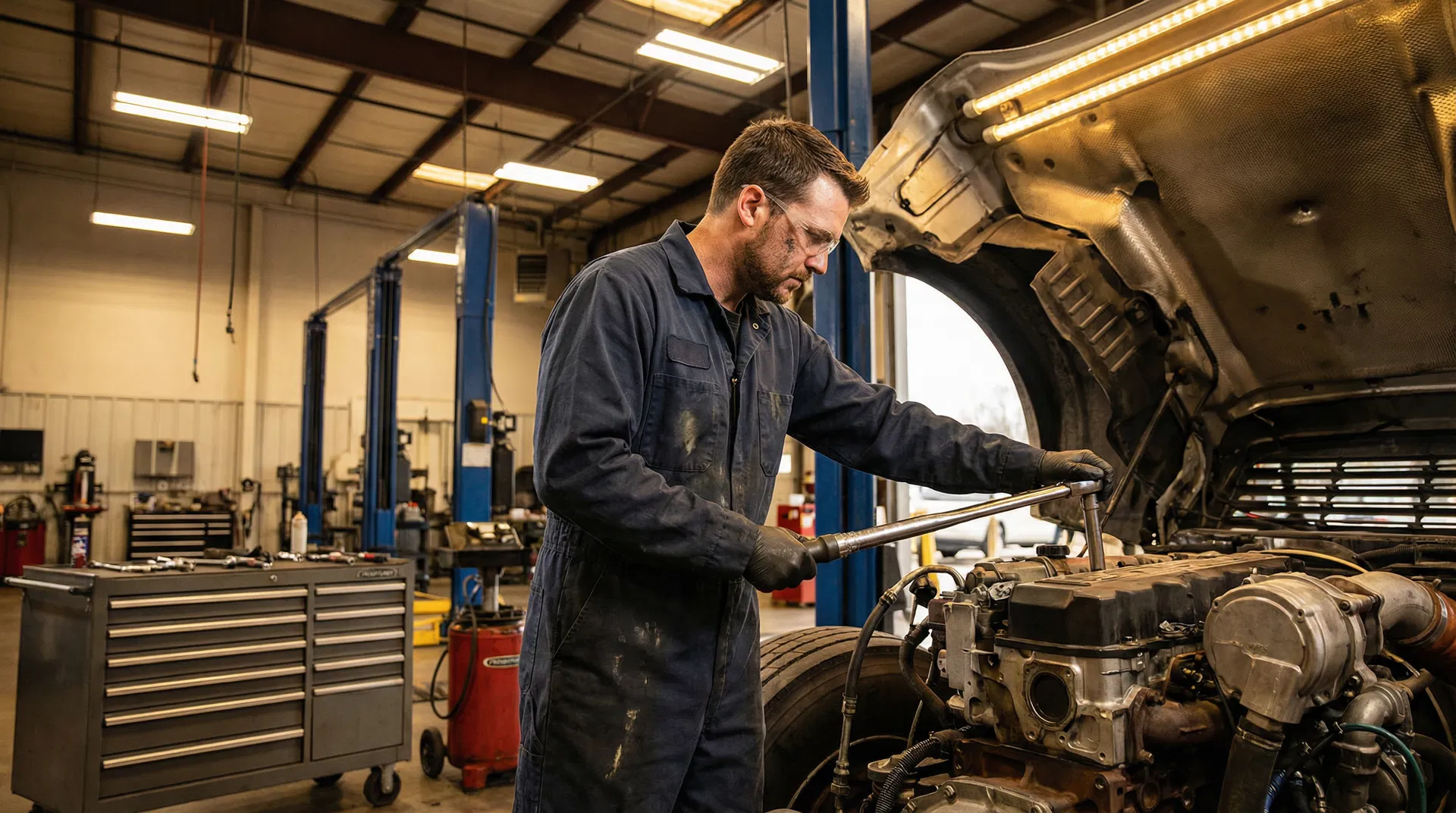
Diesel engines are not just bigger gasoline engines — they are fundamentally different machines that require specialized knowledge, tooling, and experience. CTR has been the Charlotte area's diesel engine specialist since 1995, with OEM-level diagnostics and factory-trained technicians for every major platform.
OEM-Level Diagnostics
Factory-grade scan tools and software for every major diesel engine platform. We read live data, run forced regens, perform injector cutout tests, and access proprietary fault codes that generic scanners miss — Cummins Insite, Detroit Diesel Diagnostic Link (DDDL), PACCAR Davie, and Volvo Tech Tool.
Cummins / Detroit / PACCAR / Volvo Certified
Our diesel technicians hold manufacturer-specific certifications and receive ongoing training on the latest engine platforms. We work on every major diesel engine brand used in Class 6-8 commercial vehicles, with the expertise to diagnose and repair even the most complex issues.
30+ Years Diesel Experience
Since 1995, CTR has specialized in diesel engine repair for commercial fleets. Three decades of hands-on experience means we have seen every failure mode, every engineering change, and every common problem across every engine generation.
Fleet Account Programs
Dedicated fleet account management with customized PM schedules, priority service, consolidated billing, oil analysis programs, and detailed maintenance reporting. We work with your dispatch to schedule engine service during planned downtime windows.
Fast Turnaround — Minimize Downtime
Diesel engine downtime costs $500-$1,000+ per day in lost revenue. Our efficient diagnosis process, extensive parts inventory, and experienced team get your engines back online as quickly as possible. Same-day service on many common diesel repairs.
1-Year / Unlimited-Mile Warranty
Every diesel repair at CTR is backed by our industry-leading warranty. We use OEM-spec and premium aftermarket parts, and our technicians follow manufacturer repair procedures to ensure lasting results.
Diesel Engine Repair Services
From routine oil analysis to complete engine overhauls, CTR provides comprehensive diesel engine repair for every major platform. Our OEM-level diagnostic tools and factory-trained technicians ensure accurate diagnosis and quality repairs.
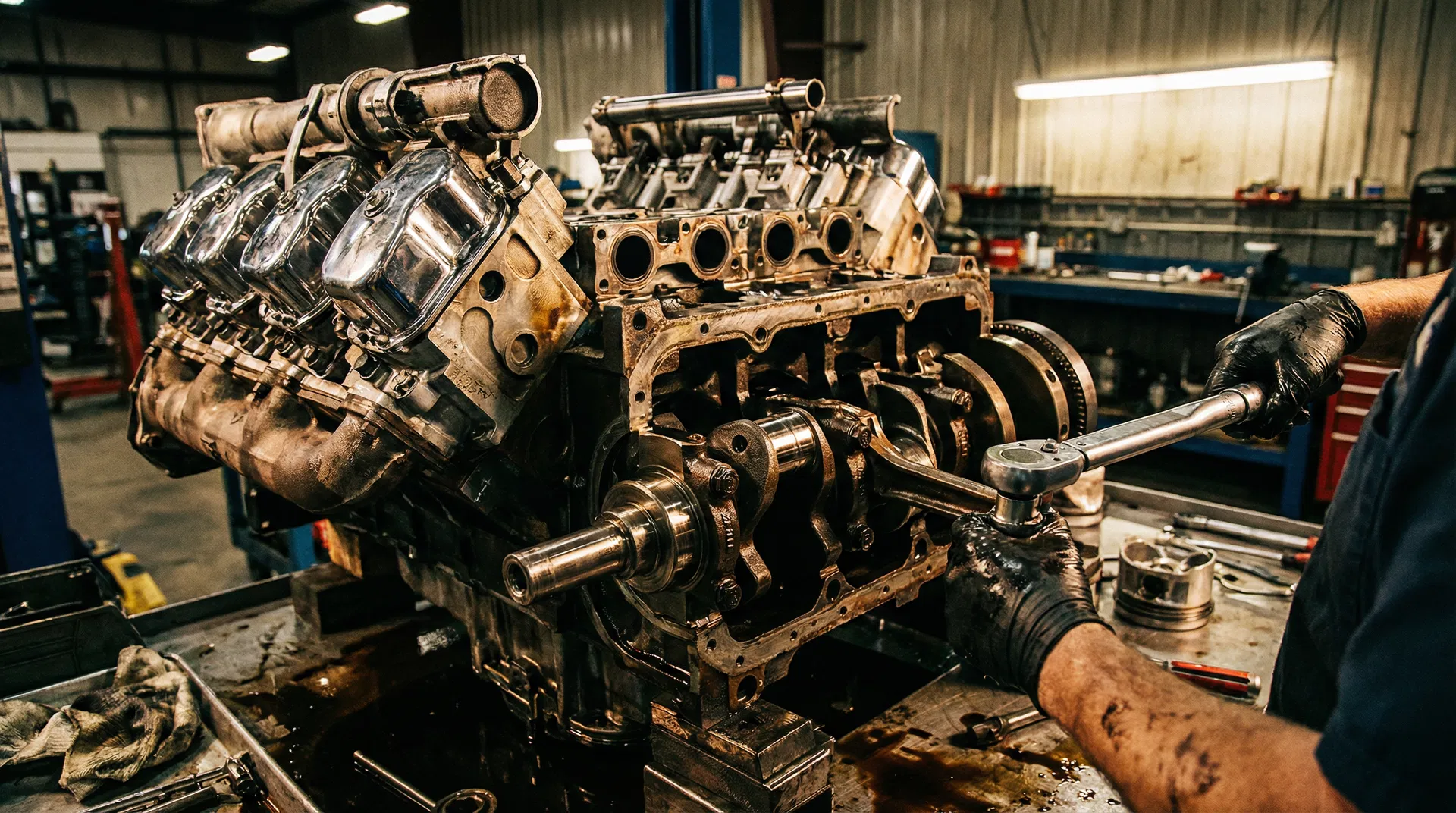
In-frame and out-of-frame engine overhauls for all major diesel platforms. Whether your engine needs a top-end rebuild or a complete teardown, CTR has the tooling, expertise, and parts sourcing to restore your engine to factory specifications.
In-frame overhaul — pistons, liners, rings, bearings, gaskets without removing engine from chassis
Out-of-frame overhaul — complete engine removal, teardown, machining, and reassembly
Cylinder head reconditioning — valve grinding, seat cutting, crack testing, pressure testing
Crankshaft inspection, polishing, and bearing replacement
Camshaft and lifter inspection and replacement
Engine break-in procedure and post-overhaul testing
Modern diesel engines rely on high-pressure fuel injection systems operating at 30,000+ PSI. Fuel system problems cause poor performance, excessive smoke, hard starting, and increased fuel consumption. CTR diagnoses and repairs all fuel system types.
Common rail injector testing, calibration, and replacement (Bosch, Delphi, Denso)
High-pressure fuel pump diagnosis and replacement
Fuel rail pressure sensor and regulator service
HEUI injector service (Cat, Navistar — hydraulic electronic unit injector)
Fuel contamination diagnosis, tank cleaning, and system flush
Fuel filter and water separator service with fuel quality analysis
Turbochargers are critical to diesel engine performance and emissions compliance. A failing turbo causes power loss, excessive smoke, high exhaust temperatures, and potential engine damage. CTR diagnoses and repairs all turbocharger types used in commercial diesel engines.
Variable geometry turbo (VGT) diagnosis — actuator calibration, vane cleaning, replacement
Fixed-geometry turbo inspection, rebuild, and replacement
Wastegate diagnosis and adjustment
Turbo boost pressure testing and intercooler leak detection
Oil supply and drain line inspection — the #1 cause of premature turbo failure
Compound turbo system diagnosis (twin turbo setups on Detroit DD series)
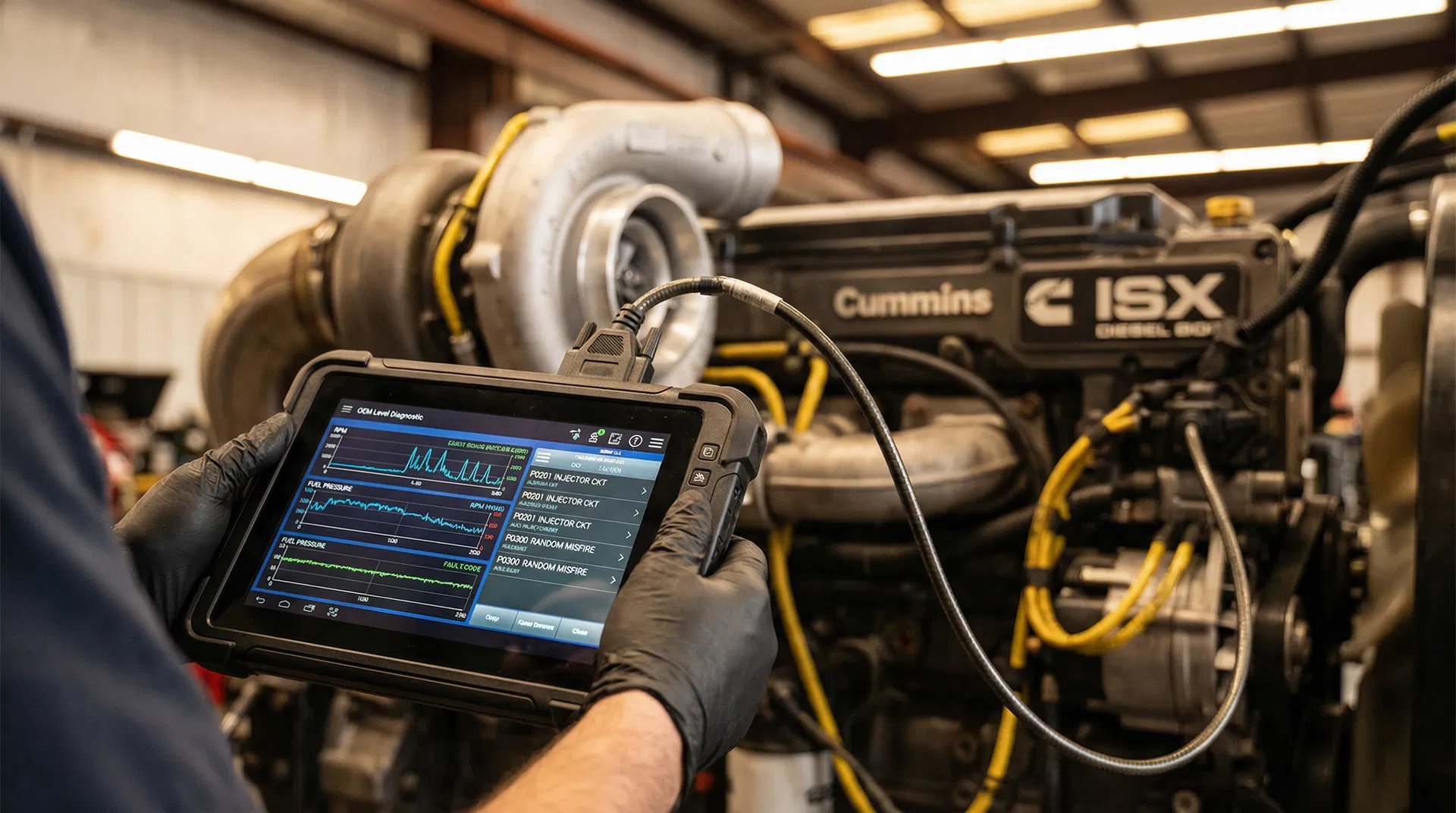
Modern diesel engines are controlled by sophisticated electronic control modules (ECMs) that manage fuel injection timing, turbo boost, exhaust aftertreatment, and hundreds of other parameters. CTR uses OEM-level diagnostic tools to read, interpret, and resolve engine fault codes.
OEM-level fault code reading and interpretation (not just generic codes)
Live data monitoring — fuel pressure, boost, EGT, coolant temp, oil pressure
Injector cutout testing to identify misfiring cylinders
ECM reprogramming and parameter adjustment
Sensor diagnosis and replacement — MAP, MAF, EGT, NOx, pressure, temperature
Wiring harness repair, connector replacement, and circuit tracing
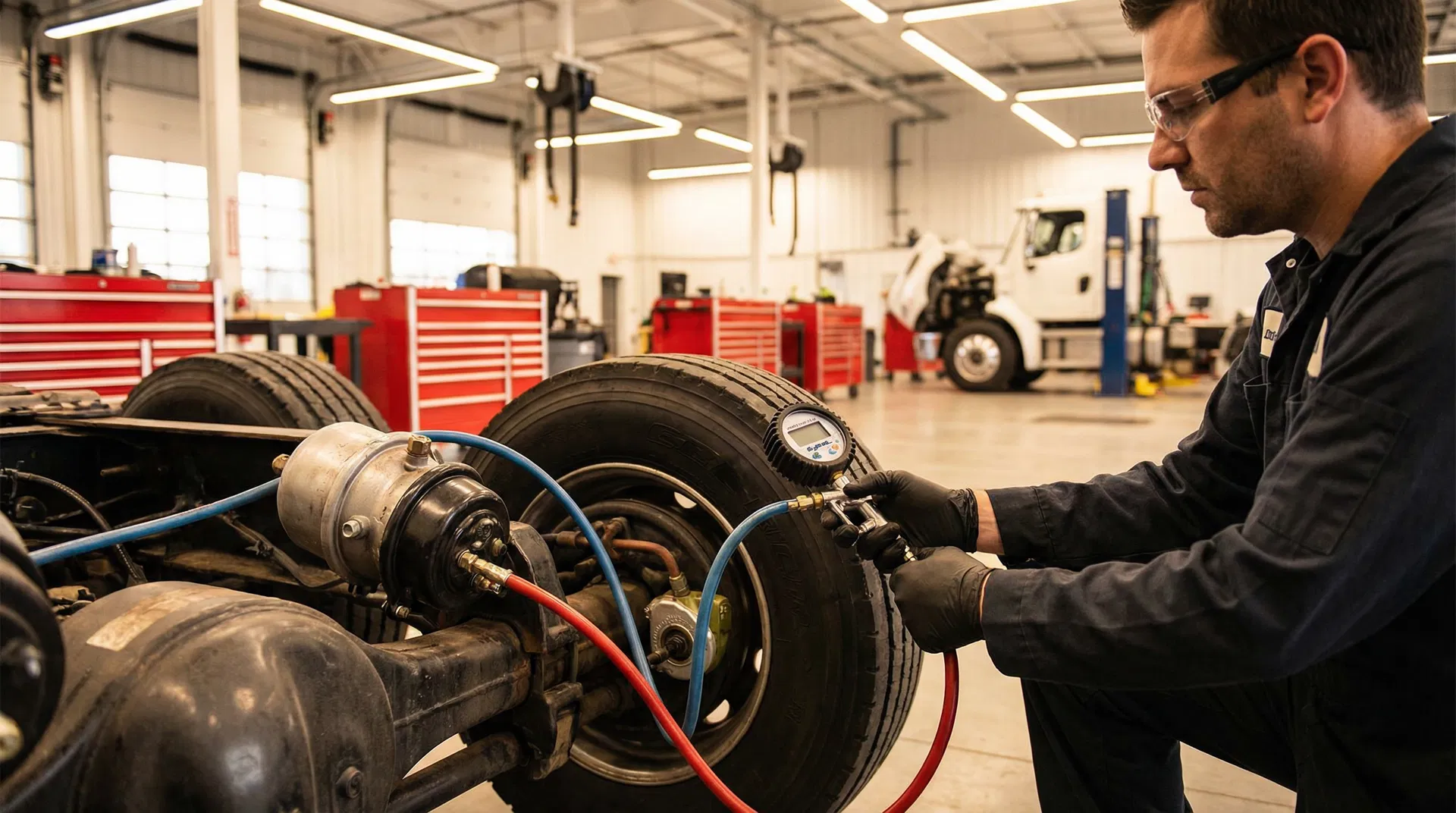
Diesel engines generate extreme heat, and the cooling system must dissipate that heat reliably to prevent catastrophic engine damage. Overheating is one of the most common causes of diesel engine failure. CTR diagnoses and repairs all cooling system components.
Radiator repair, re-core, and replacement — copper/brass and aluminum
Water pump replacement and drive belt service
Thermostat diagnosis and replacement
Coolant flush, pressure testing, and leak diagnosis
Charge air cooler (CAC/intercooler) inspection and replacement
Fan clutch diagnosis and replacement — viscous and electronic fan clutches
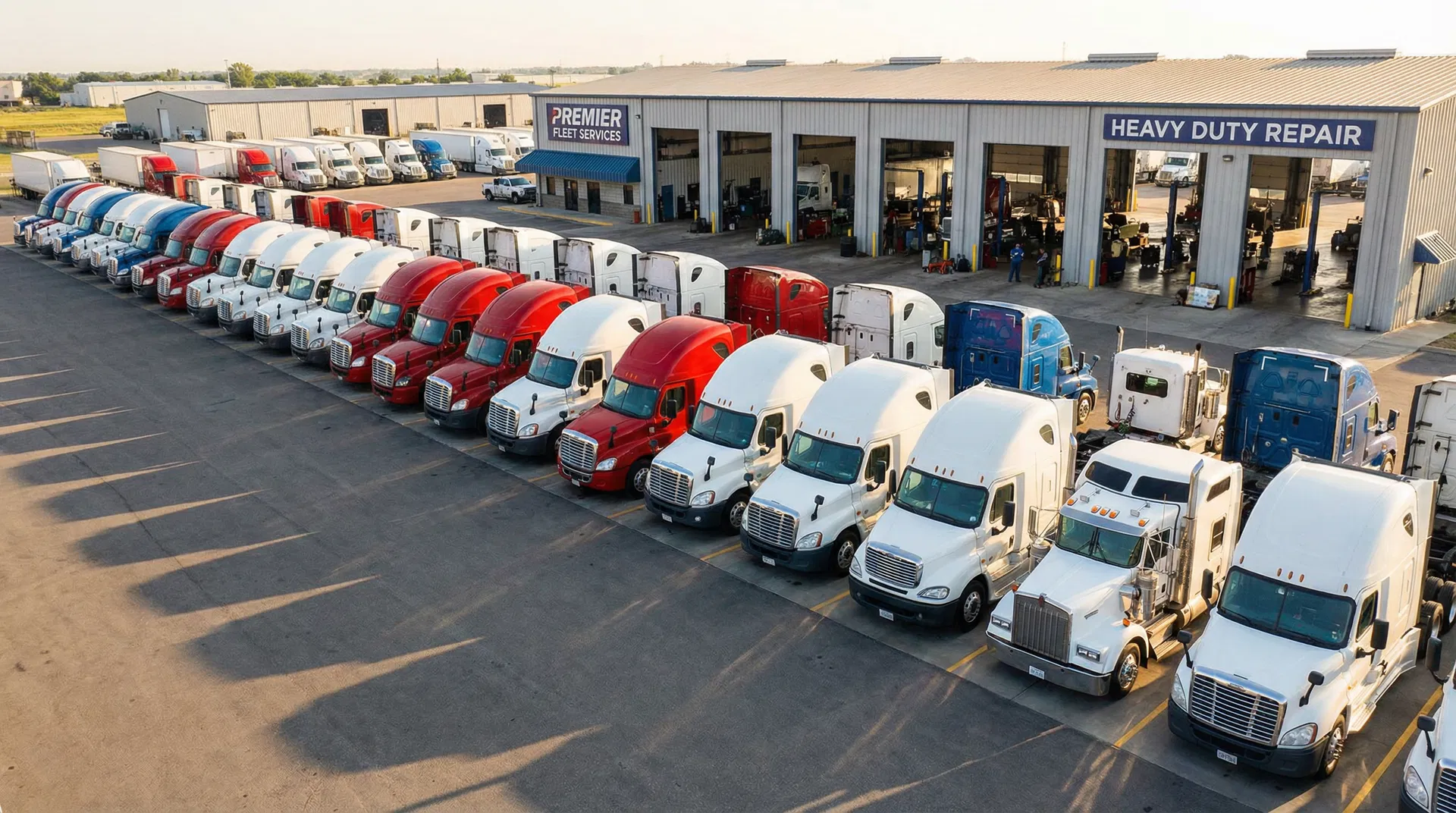
EPA-mandated aftertreatment systems on 2007+ diesel engines require specialized knowledge and tooling. Aftertreatment problems cause derates, limp mode, and check engine lights. CTR diagnoses and repairs all aftertreatment components on every major platform.
DPF & aftertreatment repair — derate recovery, forced regen, sensor replacement, DPF R&R
DOC (diesel oxidation catalyst) diagnosis and replacement
SCR catalyst and DEF injector service
DEF system repair — pump, tank heater, quality sensor, dosing valve
EGR valve and EGR cooler diagnosis, cleaning, and replacement
Aftertreatment system reset and ECM parameter verification
Preventive maintenance is the most cost-effective way to extend diesel engine life and avoid catastrophic failures. CTR offers comprehensive diesel PM programs that include oil analysis — the single best tool for detecting engine problems before they become expensive repairs.
Oil and filter service with oil sample collection and lab analysis
Oil analysis interpretation — wear metals, contaminants, coolant intrusion, fuel dilution
Valve adjustment (overhead set) at manufacturer-recommended intervals
Coolant testing — SCA/DCA levels, pH, freeze point, contamination
Fuel filter and water separator service
Multi-point engine inspection at every service visit
Diesel Engines We Service
CTR has OEM-level diagnostic software and factory-trained technicians for every major diesel engine platform used in Class 6-8 commercial vehicles. No matter what engine your fleet runs, we can diagnose and repair it.
Cummins
ISX15, X15, ISB 6.7, B6.7, ISL 8.9, L9, ISM, N14 (legacy)
Detroit Diesel
DD13, DD15, DD16, Series 60 (legacy), DD5, DD8
PACCAR
MX-13, MX-11, PX-7, PX-9
Volvo
D11, D13, D16, D8
Navistar / International
A26, N13, MaxxForce (legacy), DT466 (legacy)
Caterpillar (Legacy)
C15, C13, C12, C10, C7, 3406E — no longer in on-highway production but still widely in service
Hino
J08E, J05E, A09C — medium-duty diesel platforms
Isuzu
4HK1, 6HK1 — medium-duty diesel platforms
Common Diesel Engine Problems
Diesel engines are built to last hundreds of thousands of miles, but they are not immune to problems. Recognizing warning signs early can prevent minor issues from becoming catastrophic — and expensive — failures.
Hard Starting or No Start
Difficulty cranking or failure to start can indicate injector problems, glow plug failure, low fuel pressure, air in the fuel system, or a failing starter motor. Diesel engines rely on compression ignition — any issue affecting compression, fuel delivery, or cranking speed can prevent starting.
White or Black Exhaust Smoke
White smoke at startup that clears is often normal in cold weather. Persistent white smoke indicates coolant entering the combustion chamber (head gasket, cracked head, or injector sleeve leak). Black smoke indicates incomplete combustion — typically caused by over-fueling, restricted air intake, turbo problems, or injector issues.
Loss of Power or Derating
A derated engine has been electronically limited by the ECM due to a fault condition. Common causes include aftertreatment problems (DPF soot loading, DEF quality, SCR efficiency), turbo issues, fuel system faults, or sensor failures. Derates protect the engine but must be diagnosed and resolved promptly.
Fuel Contamination or Poor Economy
Water in fuel, microbial contamination, or degraded fuel quality causes injector damage, filter plugging, and poor combustion. If fuel consumption has increased significantly without a change in duty cycle, suspect injector wear, turbo problems, or an air intake restriction.
Turbo Failure or Boost Loss
Turbocharger problems cause power loss, excessive smoke, high exhaust temperatures, and potential engine damage from ingested turbo wheel fragments. Warning signs include whining or grinding noises from the turbo, oil in the intake tract, and low boost pressure readings.
Coolant Leaks or Overheating
External coolant leaks are visible. Internal coolant leaks (head gasket, injector sleeve, EGR cooler) are more dangerous because coolant enters the combustion chamber or oil system. Overheating causes head warping, liner scoring, and bearing damage. Address cooling system issues immediately.
Injector Problems
Worn or failed injectors cause rough idle, misfiring, excessive smoke, poor fuel economy, and hard starting. Common rail injectors operate at extreme pressures (30,000+ PSI) and have finite service lives. Injector cutout testing identifies which cylinder is affected.
Check Engine Light or Fault Codes
The check engine light (MIL) indicates the ECM has detected a fault. Some faults are informational; others trigger derates or engine protection mode. Never ignore a check engine light on a diesel engine — early diagnosis prevents minor issues from becoming major failures.
Early Diagnosis Saves Money: A $200 sensor replacement today can prevent a $15,000 engine overhaul tomorrow. If your diesel engine is showing any of these warning signs, call CTR at (704) 786-0132 for a professional diagnosis.
Diesel Repair Cost Reference
Diesel engine repair costs vary based on engine platform, failure mode, and scope of work. These ranges represent typical costs for common diesel repairs. We provide detailed written estimates before starting any repair.
| Service | Typical Range |
|---|---|
| Diesel Oil & Filter Service | $250 – $450 |
| Injector Replacement (Single) | $400 – $800 |
| Injector Set Replacement (6-cyl) | $2,000 – $4,500 |
| Turbocharger Rebuild | $1,500 – $3,500 |
| Turbocharger Replacement | $2,500 – $5,000 |
| Water Pump Replacement | $600 – $1,200 |
| EGR Valve / Cooler Replacement | $800 – $2,500 |
| DPF & Aftertreatment Repair | $300 – $3,500 |
| Head Gasket Replacement | $3,000 – $6,000 |
| In-Frame Engine Overhaul | $8,000 – $15,000 |
| Out-of-Frame Engine Overhaul | $15,000 – $25,000+ |
| ECM Replacement / Reprogramming | $1,500 – $4,000 |
Transparent Pricing: Every diesel repair begins with a thorough diagnosis and a detailed written estimate. You will know exactly what needs to be done, why, and what it will cost before we start work. No surprises, no unnecessary upsells. We diagnose the root cause — not just the symptom.
Serving the Charlotte Metro & I-85 Corridor
CTR Heavy Duty is located at 2931 Armentrout Drive in Concord, NC — directly off I-85 at Exit 58. Our central location makes us accessible from anywhere in the Charlotte metro area, with most locations within a 20-30 minute drive.
Convenient I-85 Access: Our Concord location is just off I-85 Exit 58, making us easy to reach from Charlotte, Harrisburg, Kannapolis, Huntersville, and Mooresville. Many Charlotte-area fleet managers prefer our location because it avoids the congestion of the Charlotte metro core while still being just minutes away.
Frequently Asked Questions
Diesel engines operate at much higher compression ratios (16:1 to 22:1 vs 8:1 to 12:1 for gasoline) and use compression ignition rather than spark ignition. This means diesel engines have different fuel systems (high-pressure common rail or unit injectors operating at 30,000+ PSI), turbocharging systems, and aftertreatment systems (DPF, DOC, SCR, DEF, EGR) that gasoline engines do not have. Diesel repair requires specialized training, diagnostic tools, and equipment that general automotive shops typically do not possess. CTR specializes exclusively in diesel engine repair for commercial vehicles.
Turnaround depends on the scope of work. Routine services like oil changes and filter replacements are same-day. Injector replacements, turbo repairs, and EGR/DPF service typically take 1-2 days. Head gasket replacement is usually 2-3 days. In-frame engine overhauls take 3-5 business days, and out-of-frame overhauls can take 5-10 business days depending on machining requirements and parts availability. We communicate timelines clearly before starting work and keep you updated throughout the process.
Yes. CTR offers comprehensive fleet diesel maintenance programs that include scheduled oil and filter service, oil analysis with lab reporting, valve adjustments at manufacturer-recommended intervals, coolant testing and maintenance, fuel filter service, and multi-point engine inspections. Fleet programs are customized to your fleet size, duty cycle, and manufacturer recommendations. Fleet accounts receive priority scheduling, consolidated billing, and detailed maintenance reporting.
We service all major diesel engine platforms used in Class 6-8 commercial vehicles: Cummins (ISX/X15, ISB/B6.7, ISL/L9), Detroit Diesel (DD13, DD15, DD16, Series 60), PACCAR (MX-13, MX-11), Volvo (D11, D13), Navistar/International (A26, N13), and legacy platforms including Caterpillar C15/3406E. We also service medium-duty diesel engines from Hino and Isuzu. Our technicians have factory-level training and OEM diagnostic software for each platform.
CTR offers mobile diesel repair for certain services within the Charlotte metro area. Mobile service is available for breakdowns, emergency repairs, and situations where the truck cannot be safely driven to our shop. Common mobile services include jump starts, fuel system bleeding, belt replacement, and basic electrical diagnosis. For major engine work, we recommend towing the vehicle to our fully equipped facility. Contact us at (704) 786-0132 to discuss your situation.
Manufacturer-recommended intervals vary by engine platform and duty cycle, but general guidelines include: oil and filter service every 15,000-25,000 miles (or per oil analysis results), fuel filter replacement every 15,000-30,000 miles, coolant testing every 6 months, valve adjustment (overhead set) every 300,000-500,000 miles depending on platform, and DPF service every 200,000-400,000 miles. CTR customizes PM schedules based on your specific engine platform, operating conditions, and oil analysis trends.
Engine derating is an electronic power reduction imposed by the ECM to protect the engine or aftertreatment system. Common causes include: DPF soot loading exceeding threshold (needs regen or cleaning), DEF quality or level issues, SCR conversion efficiency below threshold, high exhaust gas temperature, low coolant level or overheating, turbo boost pressure faults, and certain sensor failures. Derates range from 25% power reduction to 5 MPH limp mode depending on severity. CTR diagnoses the root cause and resolves the underlying issue — not just clearing the code.
Diesel engine overhaul costs depend on the type of overhaul and the engine platform. An in-frame overhaul (replacing pistons, liners, rings, bearings, and gaskets without removing the engine) typically costs $8,000-$15,000. An out-of-frame overhaul (complete engine removal, teardown, machining, and reassembly) typically costs $15,000-$25,000+. The specific cost depends on the engine model, the condition of reusable components (crankshaft, camshaft, block), and whether the cylinder head needs reconditioning. We provide a detailed estimate after initial inspection.
Yes. Intermittent problems are among the most challenging to diagnose, but our OEM-level diagnostic tools allow us to review stored fault code history, freeze frame data, and logged parameters that capture conditions at the time of the fault. We can also perform extended road tests with data logging to capture intermittent issues in real time. Common intermittent problems include loose wiring connections, failing sensors that work when cold but fail when hot, and fuel system issues that only appear under load.
CTR works with most major extended service contract providers and can coordinate warranty claims on your behalf. For manufacturer warranty work, we recommend contacting us first to discuss the specific situation — in many cases we can perform the diagnosis and repair more quickly than a dealer, and we will help you navigate the warranty claim process. We maintain detailed repair documentation that meets warranty claim requirements.
Expert Diesel Repair — Fast Turnaround
Charlotte-area fleets trust CTR for expert diesel engine repair, OEM-level diagnostics, and transparent pricing. Contact us today to schedule service or set up a fleet account.