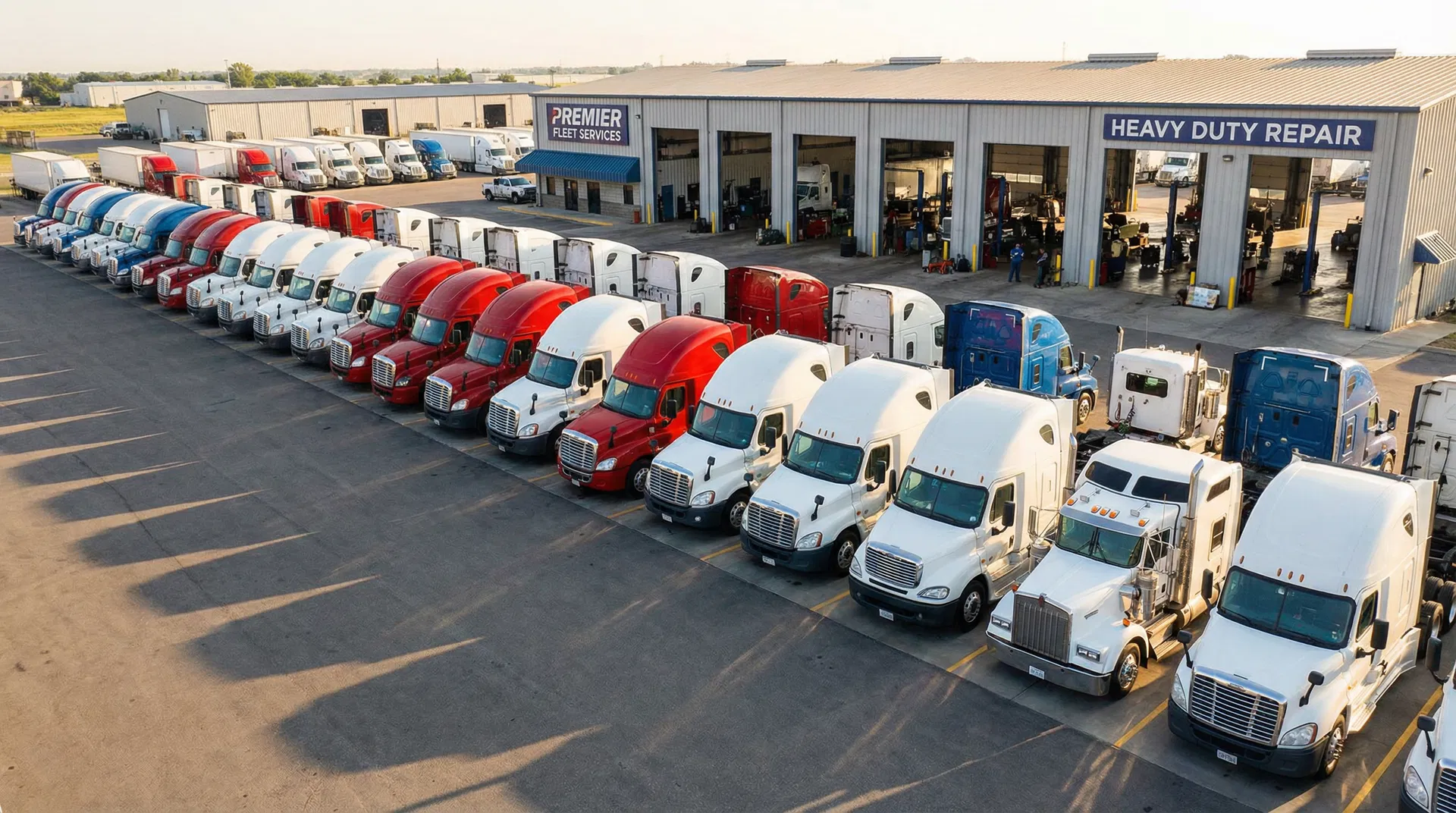
Fleet Maintenance & Service Programs — Charlotte, NC Area
Unplanned breakdowns cost Charlotte-area fleets thousands in towing, emergency repairs, and lost revenue every year. CTR Heavy Duty partners with trucking companies to eliminate preventable downtime through structured maintenance programs — custom PM schedules, oil analysis, proactive brake and tire management, and DOT compliance tracking. One shop, one account manager, every truck in your fleet.
Why Charlotte Fleets Choose CTR
Fleet maintenance is not just oil changes and brake jobs — it is a partnership built on trust, communication, and accountability. CTR assigns every fleet a dedicated account manager, designs custom PM programs based on your operating conditions, and provides the detailed records you need for DOT compliance and cost control.
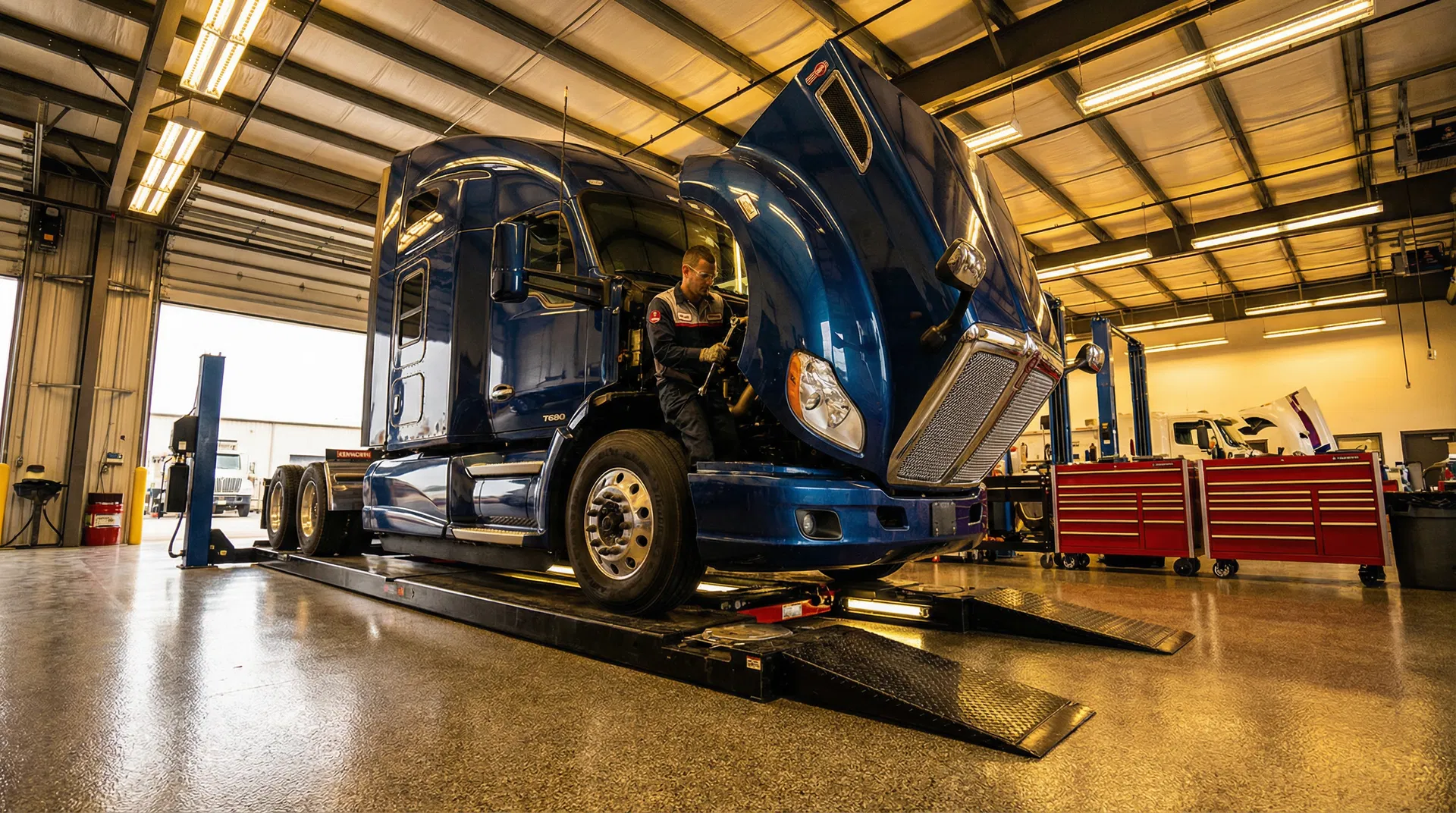
Dedicated Fleet Account Manager
Every fleet account at CTR is assigned a dedicated account manager who knows your vehicles, your routes, and your maintenance history. Your account manager coordinates scheduling, tracks upcoming service intervals, and provides a single point of contact for all maintenance questions. No more explaining your fleet's needs to a different service writer every visit.
Scheduled Maintenance Programs
CTR designs custom PM schedules based on your fleet's operating conditions — mileage intervals, hours of operation, duty cycle, and manufacturer recommendations. We track every vehicle in your fleet and proactively schedule service before problems develop. You receive advance notice of upcoming service so you can plan around your dispatch schedule.
Priority Service & Fast Turnaround
Fleet customers receive priority bay access and scheduling. Most PM inspections are completed within 2-4 hours. If we discover a repair need during a PM inspection, we communicate immediately with your fleet manager and can often complete the repair the same day. Our goal is to return your trucks to service as quickly as possible.
Detailed Maintenance Records
Every service performed at CTR is documented with detailed inspection reports, photos, measurements, and technician notes. Fleet managers receive digital copies of all service records, organized by vehicle. These records support DOT compliance audits, warranty claims, resale documentation, and internal fleet management reporting.
Contract Pricing Available
Fleet customers benefit from negotiated contract pricing on routine maintenance services. Volume discounts apply to oil changes, PM inspections, brake service, tire work, and other recurring services. Contract pricing provides predictable maintenance budgets and eliminates per-visit price uncertainty. Contact us to discuss pricing for your fleet size.
All Class 6-8 Brands Serviced
CTR services every major Class 6-8 truck brand: Freightliner, Kenworth, Peterbilt, International, Mack, Volvo, Western Star, Hino, and Isuzu. Our technicians are trained on all major diesel engine platforms including Cummins, Detroit, PACCAR, and Volvo. One shop for your entire mixed fleet — no need to send different brands to different dealers.
Fleet Maintenance Service Programs
CTR offers tiered preventive maintenance programs designed around your fleet's specific vehicles, routes, and operating conditions. Every program begins with a baseline inspection and is continuously refined based on maintenance data and fleet performance.
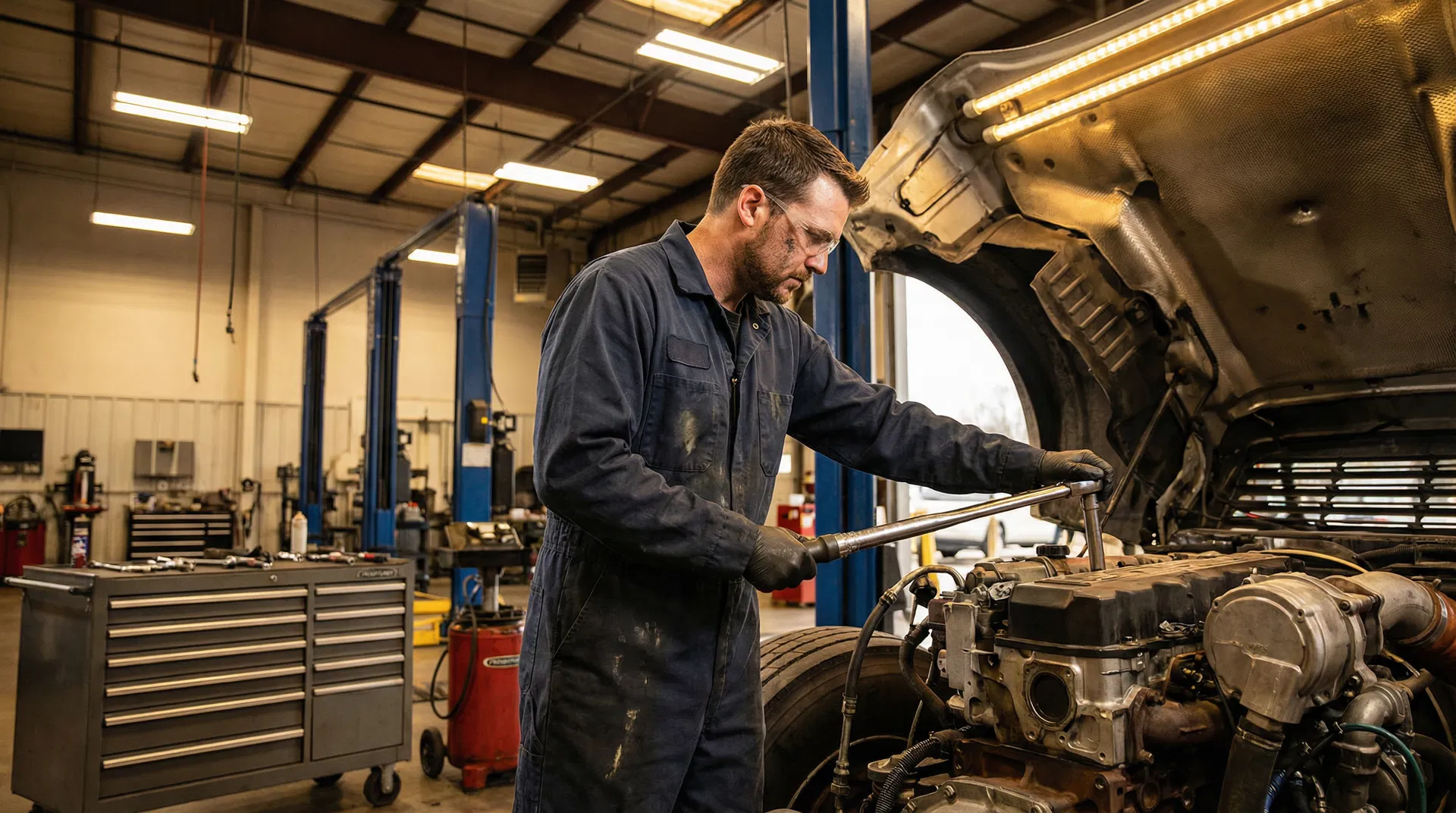
The PM-A is the foundation of every fleet maintenance program. Performed every 15,000-25,000 miles (or per manufacturer recommendation), this service covers the essential checks and fluid services that prevent the most common causes of breakdown. Every PM-A at CTR follows a standardized 50+ point checklist customized to your fleet's specific vehicles and operating conditions.
Engine oil and filter change using manufacturer-specified oil weight and API rating
Complete fluid level check and top-off — coolant, power steering, transmission, windshield washer, DEF
Air filter inspection — replace if restricted (measured with restriction gauge, not visual inspection)
Belt and hose inspection — check for cracking, glazing, proper tension, and coolant hose clamp tightness
Battery and charging system test — load test batteries, check alternator output, inspect cable connections
Tire inspection — tread depth measurement (all positions), inflation pressure, visual damage check
Brake visual inspection — lining thickness estimate, air leak check, slack adjuster operation
Lighting system check — all exterior lights, reflectors, and marker lights per FMCSA requirements
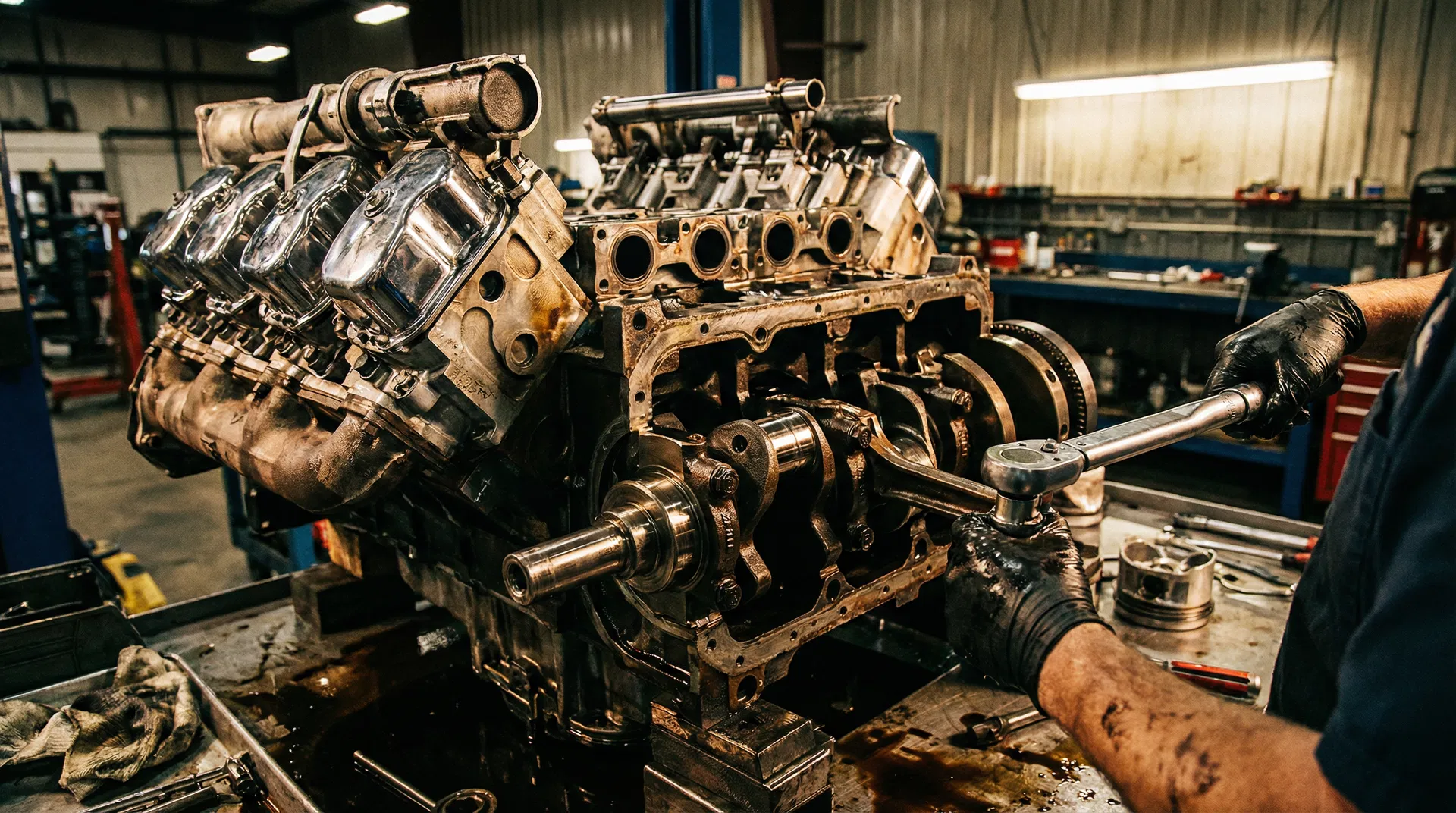
The PM-B includes everything in the PM-A plus deeper inspections of brake, steering, suspension, and drivetrain components. Performed every 30,000-50,000 miles, this service catches developing problems before they become roadside breakdowns. The PM-B is where most significant repair needs are identified — catching a worn brake lining or leaking seal at this stage prevents a far more expensive failure later.
All PM-A items plus the following additional inspections
Brake measurement — actual lining thickness measurement (not visual estimate), drum/rotor condition, air system leak-down test
Steering system inspection — king pin play, tie rod end condition, steering gear play, power steering system
Suspension inspection — spring condition, U-bolt torque, shock absorber function, air bag condition
Drivetrain inspection — driveshaft U-joints, carrier bearing, differential fluid level and condition
Exhaust system inspection — DPF differential pressure reading, DEF level, aftertreatment visual check
Cooling system inspection — pressure test, thermostat operation, fan clutch engagement, hose condition
Fuel system inspection — fuel filter replacement, water separator drain, fuel line condition
The PM-C is the most thorough inspection in the maintenance program. Performed every 60,000-100,000 miles, it includes everything in PM-A and PM-B plus component-level inspections that require more time and specialized equipment. The PM-C is essentially a DOT-level inspection combined with comprehensive mechanical evaluation — designed to identify every potential issue before it causes a failure.
All PM-A and PM-B items plus the following comprehensive inspections
Complete brake overhaul evaluation — measure all drums/rotors, check cam bushings, inspect air chambers
Wheel bearing inspection — check for play, heat damage, seal condition, hub oil level
Complete electrical system test — starter draw test, alternator output under load, wiring harness inspection
Engine compression or relative compression test (if performance concerns noted)
Transmission fluid analysis — check for metal content, friction material, and fluid condition
Complete chassis inspection — frame rail condition, crossmember mounting, fifth wheel condition and adjustment
Cab and body inspection — door latches, windshield condition, mirror mounting, step and handrail condition
DOT compliance verification — all items required for annual DOT inspection are checked and documented
Oil analysis is the most cost-effective predictive maintenance tool available for diesel fleets. By analyzing engine oil, transmission fluid, coolant, and hydraulic fluid at regular intervals, CTR can detect developing problems — bearing wear, coolant leaks, fuel dilution, contamination — hundreds of hours before they cause a failure. Oil analysis costs $20-$40 per sample and can prevent $5,000-$50,000 failures.
Engine oil analysis at every oil change — wear metals, contaminants, additive depletion, viscosity
Transmission fluid analysis at PM-B intervals — friction material, metal content, fluid condition
Coolant analysis at PM-B intervals — pH, freeze point, additive levels, contamination
Trend tracking — each sample is compared to previous results to identify developing trends
Immediate notification if critical limits are exceeded — allows proactive repair before failure
Digital reports accessible through your fleet account with historical trending charts
Brakes are the number one out-of-service violation in FMCSA roadside inspections. CTR's fleet brake program includes regular measurement and adjustment at every PM interval, plus proactive brake replacement scheduling based on actual wear rates. We track brake lining thickness for every axle position on every vehicle, predict when replacement will be needed, and schedule the work during planned downtime.
Brake lining measurement at every PM inspection — recorded by axle position for trend tracking
Automatic slack adjuster function test — verify proper adjustment range and operation
Air system leak-down test — identify leaks before they cause out-of-service violations
Brake drum and rotor measurement — check for wear limits, heat checking, and scoring
Air dryer service — desiccant replacement, check valve operation, purge cycle verification
Proactive brake replacement scheduling based on wear rate trending — no surprise brake jobs
Tires are the second-largest operating cost for most fleets (after fuel) and the second most common out-of-service violation. CTR's tire management program includes regular tread depth measurement, inflation pressure monitoring, alignment checks, and rotation scheduling. Proper tire management extends tire life by 20-40% and reduces fuel consumption by maintaining optimal rolling resistance.
Tread depth measurement at every PM inspection — recorded by position for wear rate tracking
Inflation pressure check and adjustment to manufacturer specification (including inner duals)
Visual inspection for damage, irregular wear patterns, and sidewall condition
Tire rotation and position optimization based on wear patterns
Alignment check recommendation when irregular wear patterns are detected
Tire replacement scheduling based on projected wear-out dates — avoid roadside tire failures
Every vehicle in your fleet requires an annual DOT inspection. CTR performs FMCSA-compliant inspections and can schedule your entire fleet's inspections during planned downtime windows. If any vehicle fails inspection, we can perform the required repairs immediately — often completing the repair and re-inspection the same day. Fleet customers receive advance scheduling reminders 60 days before inspection expiration.
Annual FMCSA-compliant DOT inspection for all Class 6-8 vehicles
Fleet-wide scheduling — inspect multiple vehicles in a single visit to minimize trips
60-day advance reminder of upcoming inspection expirations
Same-day repair and re-inspection if deficiencies are found
Complete documentation and inspection sticker application
Pre-inspection check available — identify and fix issues before the official inspection
Modern Class 6-8 trucks have complex electrical systems with multiple ECMs, hundreds of sensors, and miles of wiring. Electrical problems cause diagnostic headaches, phantom fault codes, and intermittent failures that are difficult to reproduce. CTR's fleet electrical service includes proactive testing at PM intervals plus expert diagnostics when problems arise.
Battery load testing and charging system output verification at every PM inspection
Starter motor draw test — identify developing starter problems before no-start conditions
Wiring harness inspection — check for chafing, corrosion, and loose connections at key junction points
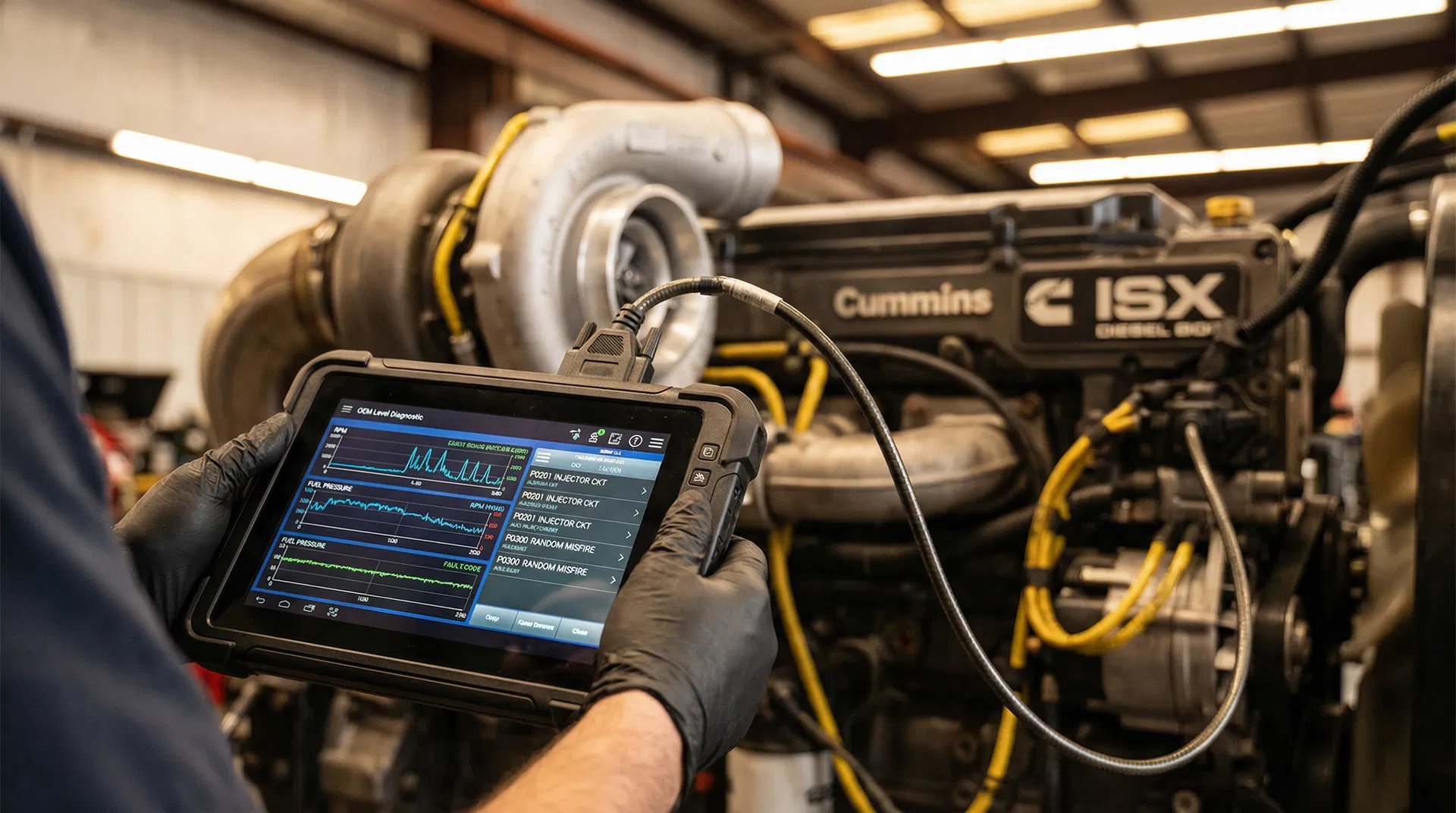
ECM fault code review and trending — identify recurring codes that indicate developing problems
Lighting system compliance check — all FMCSA-required lights and reflectors
Aftertreatment electrical system check — sensor function, heater operation, injector circuits
Cooling system failures are a leading cause of roadside breakdowns for diesel trucks. The cooling system operates under extreme conditions — managing heat from engines producing 400-600 HP while maintaining precise temperature control for emissions systems. CTR's fleet cooling system program includes regular coolant analysis, pressure testing, and component inspection to prevent overheating failures.
Coolant analysis at PM-B intervals — pH, freeze point, supplemental coolant additive (SCA) levels
Pressure test at PM-C intervals — identify developing leaks before they cause overheating
Thermostat operation verification — ensure proper operating temperature for emissions compliance
Fan clutch engagement test — verify proper engagement temperature and airflow
Radiator and charge air cooler visual inspection — check for debris, fin damage, and external leaks
Water pump inspection — check for bearing play, weep hole leakage, and impeller condition
Tiered Preventive Maintenance Programs
CTR's PM programs are structured in three tiers — each building on the previous level. The right combination of PM-A, PM-B, and PM-C inspections depends on your fleet's mileage, operating conditions, and vehicle age. Your account manager designs the optimal schedule for each vehicle.
The foundation service. Oil change, fluid checks, tire inspection, brake visual, lighting check, and 50+ point inspection. Catches the most common failure causes — low fluids, worn belts, underinflated tires, and burned-out lights.
Deeper mechanical inspection. Includes everything in PM-A plus brake measurement, steering play check, suspension inspection, drivetrain evaluation, and fuel system service. This is where most significant repair needs are identified.
The most thorough inspection. Includes everything in PM-A and PM-B plus wheel bearing check, complete electrical test, engine performance evaluation, chassis inspection, and DOT compliance verification. Essentially a complete vehicle health assessment.
Benefits of Preventive Maintenance
The math is simple: every dollar spent on preventive maintenance saves $3-$5 in avoided emergency repairs, towing, downtime, and lost revenue. Here is how a structured PM program pays for itself.
Reduced Unplanned Downtime
Fleets with structured PM programs experience 30-50% fewer roadside breakdowns compared to reactive maintenance. Every unplanned breakdown costs $500-$2,000+ in towing, emergency repair premiums, and lost revenue. Preventive maintenance identifies problems before they strand your driver.
Lower Total Repair Costs
A $200 PM inspection that catches a $50 coolant hose replacement prevents a $5,000 overheating-related engine repair. Preventive maintenance costs are predictable and budgetable. Emergency repairs are not. Fleets that follow structured PM programs typically spend 25-40% less on total maintenance costs.
Extended Vehicle Life
Well-maintained trucks last longer and retain higher resale value. A Class 8 truck on a proper PM program can reliably operate 750,000-1,000,000+ miles. Deferred maintenance accelerates wear on every system and can reduce useful life by 200,000-300,000 miles.
DOT Compliance Confidence
Every PM inspection at CTR checks FMCSA-required items. Your trucks are continuously maintained to DOT standards, not just once a year at inspection time. This means fewer roadside inspection violations, lower CSA scores, and reduced risk of out-of-service orders that cost $1,000+ per incident.
Better Fuel Economy
Proper tire inflation alone can improve fuel economy by 3-5%. Clean air filters, correct oil viscosity, functioning thermostats, and properly adjusted brakes (no drag) all contribute to optimal fuel efficiency. For a fleet burning 20,000 gallons per truck per year, even a 2% improvement saves $1,000+ annually per truck.
Higher Resale Value
Complete maintenance records significantly increase resale value. Buyers pay 10-20% more for trucks with documented PM history from a professional shop. CTR provides complete digital maintenance records for every vehicle in your fleet, organized and ready for resale documentation.
Fleet Maintenance Cost Reference
These ranges represent typical costs for Charlotte-area fleet vehicles. Fleet customers receive volume pricing and contract rates. Actual pricing depends on vehicle type, fleet size, and service commitment level. Contact us for a custom fleet maintenance quote.
| Service | Typical Range |
|---|---|
| PM-A Inspection (Basic) | $250 – $400 |
| PM-B Inspection (Intermediate) | $400 – $700 |
| PM-C Inspection (Comprehensive) | $600 – $1,200 |
| Oil & Filter Change (Class 8) | $200 – $350 |
| Oil Analysis (per sample) | $20 – $40 |
| Coolant Analysis (per sample) | $20 – $40 |
| Brake Adjustment (per axle) | $75 – $150 |
| Complete Brake Job (per axle) | $400 – $1,200 |
| DOT Annual Inspection | $100 – $175 |
| Tire Rotation (per position) | $25 – $50 |
| Fleet Account Setup | No charge |
| Dedicated Account Manager | Included with fleet account |
Fleet Account Setup is Free: There is no charge to set up a fleet account with CTR. You receive a dedicated account manager, custom PM scheduling, priority service, and detailed maintenance records at no additional cost beyond the services performed. Fleet pricing is available for operations of all sizes — from 2 trucks to 50+.
Serving the Charlotte Metro & I-85 Corridor
CTR Heavy Duty is located at 2931 Armentrout Drive in Concord, NC — directly off I-85 at Exit 58. Our central location makes us convenient for fleets operating throughout the Charlotte metro area, the I-85 corridor, and surrounding communities. Fleet customers from Charlotte, Harrisburg, Kannapolis, and beyond trust CTR for their preventive maintenance programs.
Frequently Asked Questions
Setting up a fleet account is straightforward. Call (704) 786-0132 or visit our shop at 2931 Armentrout Drive in Concord. We will discuss your fleet size, vehicle types, current maintenance practices, and service needs. We then assign a dedicated account manager, set up your vehicles in our system, design a PM schedule based on your operating conditions, and establish billing preferences (PO system, net-30, credit card, etc.). There is no minimum fleet size and no setup fee. Most fleet accounts are fully operational within 1-2 business days.
No. CTR works with fleets of all sizes — from owner-operators with 2-3 trucks to regional carriers with 50+ vehicles. Fleet pricing is based on service volume and commitment level. Even small fleets benefit from scheduled maintenance programs, priority service, and detailed record-keeping. Larger fleets receive more aggressive volume discounts, but every fleet customer receives better pricing than walk-in rates.
Your dedicated account manager works with your dispatcher or fleet manager to schedule maintenance during planned downtime. We track PM intervals for every vehicle in your fleet and send advance notifications when service is due. You can schedule individual vehicles or bring in multiple trucks on the same day. For larger fleets, we can arrange dedicated service days where we process several vehicles in sequence. Emergency and breakdown service is always available with priority scheduling for fleet customers.
CTR provides comprehensive digital maintenance records for every vehicle in your fleet. After each service, you receive a detailed inspection report with findings, measurements, photos, and technician recommendations. Fleet managers also receive monthly summary reports showing service history, upcoming maintenance, cost tracking by vehicle, and trend analysis. All records are stored digitally and available on request for DOT audits, warranty claims, or resale documentation.
CTR's primary fleet service is performed at our Concord facility at 2931 Armentrout Drive, where we have the full range of diagnostic equipment, lifts, and parts inventory. For fleets with vehicles that cannot be easily moved (yard trucks, equipment with expired registrations), we can discuss mobile service options on a case-by-case basis. Our facility is located directly off I-85 at Exit 58, making it convenient for fleets operating in the Charlotte metro area.
Pay-per-service means you pay for each service as it is performed at fleet pricing rates. Contract pricing involves a negotiated per-vehicle monthly or per-mile maintenance rate that covers specified services. Contract pricing provides the most predictable budgeting — you know exactly what maintenance will cost per truck per month. Pay-per-service offers more flexibility if your fleet size changes frequently. Your account manager can help you determine which model works best for your operation.
Yes. Fleet customers receive priority scheduling for emergency repairs. If one of your trucks breaks down, call (704) 786-0132 and identify yourself as a fleet customer. We will prioritize getting your vehicle into a bay and begin diagnostics immediately. For breakdowns that occur after hours, leave a message and we will contact you first thing the next business morning. Our standard hours are Monday-Friday, 7 AM to 5 PM.
CTR services all major Class 6-8 truck brands: Freightliner, Kenworth, Peterbilt, International, Mack, Volvo, Western Star, Hino, and Isuzu. We are experienced with all major diesel engine platforms: Cummins ISX/ISB/ISL/X15, Detroit DD13/DD15/DD16, PACCAR MX-13/MX-11, Volvo D11/D13, Navistar, and legacy Caterpillar. Mixed fleets are no problem — one shop for all your vehicles.
Your CSA (Compliance, Safety, Accountability) score is directly affected by roadside inspection results. The Vehicle Maintenance BASIC category tracks out-of-service violations for brakes, tires, lights, and other mechanical deficiencies. A structured PM program keeps these components within specification at all times — not just at annual DOT inspection. Fleets with active PM programs typically have 40-60% fewer roadside violations, which directly improves CSA scores and reduces the risk of DOT audits and intervention.
Absolutely. Many fleets come to CTR operating in reactive mode — fixing things only when they break. We help transition to preventive maintenance by first performing a baseline inspection on every vehicle in the fleet to identify existing issues. We then prioritize repairs based on safety and severity, establish PM schedules based on each vehicle's mileage and condition, and begin tracking maintenance data. Most fleets see measurable improvement in breakdown frequency within 3-6 months of starting a structured PM program.
Stop Losing Money to Preventable Breakdowns
Every unplanned breakdown costs your fleet $500-$2,000+ in towing, emergency repairs, and lost revenue. A structured PM program at CTR costs a fraction of that and keeps your trucks on the road earning money. Call today to set up your fleet account — no minimum fleet size, no setup fee.